10 Common Houseplant Mistakes UK Beginners Make (and How to Fix Them)
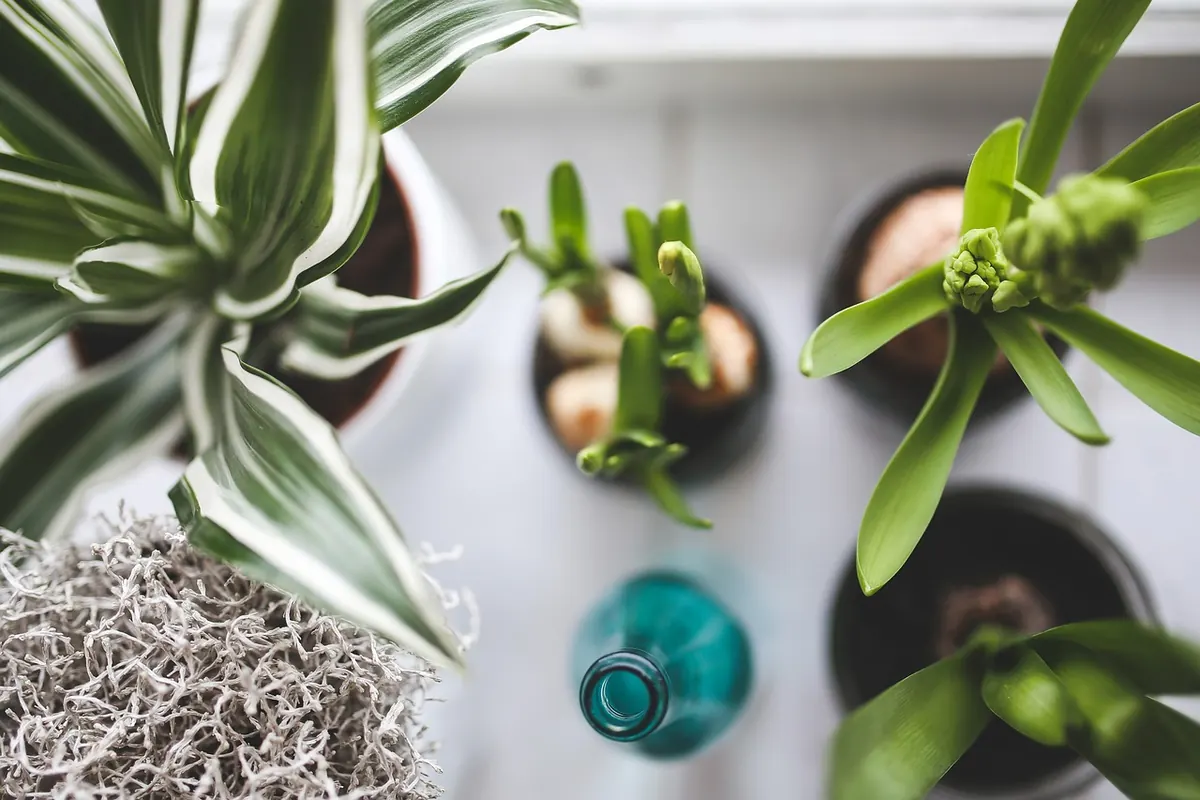
Most houseplants that end up on the compost heap were not neglected. They were fussed over. A weekly watering, a spot beside the radiator, a splash of feed for good measure: all well meant, and all quite capable of finishing off a plant that would have been happier left alone. British homes add their own complications — grey winter light, central heating, hard water, and windowsills that swing from bright to freezing depending on the hour. None of it is difficult to work with once you know which habits to drop.
Watering to a Schedule Instead of Checking the Compost
"Water once a week" is the most damaging piece of advice in houseplant care. A monstera in a bright kitchen in July drinks far more than the same plant in a chilly spare room in January. The compost, not the calendar, decides.
Push a finger two or three centimetres into the pot. Damp? Walk away. Dry at that depth? Water thoroughly until it runs out of the drainage holes, then empty the saucer within half an hour. A bamboo skewer works well for deep pots, and the weight of a pot tells you plenty once you've lifted it a few times. In winter, you may find you water once a fortnight or even less. In summer, a thirsty fern might need a drink every other day.
Signs you have been too generous:
- Compost that stays dark and damp for a fortnight
- Lower leaves turning yellow and soft rather than crisp
- A sour smell rising from the pot
- Fungus gnats drifting up every time you water
- A pot that feels unusually heavy for its size
If in doubt, don't water. A plant can recover from a missed watering far more easily than from a soggy week.
Root rot is usually well advanced by the time leaves droop, and drooping looks a lot like thirst. If in doubt, slide the plant out and look. Firm, pale roots are healthy; brown, mushy ones should be cut away with clean secateurs before repotting into fresh compost. Always use a pot with drainage holes, and never let a plant sit in a puddle.
Treating Every Windowsill as Equal
A north-facing sash window in Edinburgh and a south-facing bay in Cornwall are not the same growing space. Light fuels everything else, and a plant in the wrong spot will sulk slowly rather than complain loudly.
Too little light looks like leggy stems stretching towards the glass, small pale new leaves and compost that stays wet for weeks. Move the pot closer to the window — often just 30 centimetres makes a real difference — and wipe dusty leaves with a damp cloth so they can actually use the light they get. Turn pots a quarter turn each week so plants do not lean.
Too much direct sun burns fast in a south or west window from May onwards. Crisp brown patches on the glass-facing side are the giveaway; a voile curtain or a metre of distance will fix it. And remember that windowsills behind closed curtains get cold at night, which troubles warmth-lovers more than low light does. A rubber plant or a snake plant will tolerate a north window, but a croton or a string of pearls will sulk without bright, direct light. Know what you bought before you park it on the sill.
Ignoring Humidity in Heated Homes
Central heating drops indoor humidity to desert levels, which is why ferns, calatheas, marantas and fittonias develop brown, papery leaf edges sometime around January. Misting feels useful but wets the leaves for minutes at most, and repeatedly damp foliage invites fungal problems.
Group humidity lovers together so they share the moisture they release, stand pots on a tray of pebbles with water sitting below the base of the pot, and keep plants away from radiators and draughts. A bathroom or kitchen windowsill suits ferns well if there is reasonable light. A small humidifier is the most reliable fix of all, and often cheaper than replacing plants each winter. Succulents, cacti and sansevierias want the opposite, so leave them out of the humid corner.
Misting is a ritual, not a humidity strategy. If you can see the mist settle, it's already evaporating.
If you notice crisp edges, don't start misting harder. Increase humidity around the plant, or accept that some species are simply better suited to a bathroom than a living room.
Repotting at the Wrong Moment
Two opposite mistakes, both common. Some people repot the day a plant comes home because the plastic nursery pot looks scruffy; others leave it in that pot for four years while the roots circle the base. Both can set a plant back.
Repot when the roots push through the drainage holes, when the compost dries out within a day or two of watering, or when you see roots circling the surface. The best time is early spring, just as growth resumes. Choose a pot only 2–4 centimetres wider than the old one — a huge jump can leave too much wet compost around the roots, which invites rot. Tease out the roots gently, shake off old compost, and replant at the same depth. Don't repot a plant that is flowering or stressed; wait until it has energy to spare.
Spring is the season for repotting, not because the plant asks, but because it has the energy to recover.
Over-Fertilising
More food does not mean more growth. Beginners often feed every time they water, which leads to a build-up of salts in the compost. You'll see a white crust on the soil surface, scorched leaf tips, and roots that look burned. In winter, when most houseplants are resting, feeding is actively harmful.
Feed only during the growing season — roughly March to September — and always dilute to half the recommended strength. If you suspect over-feeding, flush the pot with plenty of tepid water and let it drain completely, then skip feeding for a month. Slow-release granules can be useful, but it's easy to double up if you also use liquid feed. Keep it simple: a balanced liquid fertiliser every four to six weeks is plenty for most plants.
Feed the soil, not the plant. Overfeeding is the fastest way to kill a houseplant with kindness.
Using Tap Water Straight from the Tap
Much of the UK has hard water, high in calcium and magnesium, with added chlorine and sometimes fluoride. This is why spider plants, dracaenas, calatheas and prayer plants develop brown tips and mottled leaves. It's not a disease; it's a chemical burn.
Let tap water stand overnight in an open container so chlorine evaporates, or use filtered water. Rainwater is the gold standard if you can collect it. For fluoride-sensitive plants, bottled spring water or distilled water is worth the small cost. If you already have brown tips, trim them with clean scissors at an angle and switch your water source. Don't use water from a softener, as it is high in sodium.
Leaving Plants in Pots Without Drainage
Decorative pots with no holes are a classic beginner trap. Water has nowhere to go, so it pools at the bottom, turns the compost sour, and rots the roots. A layer of pebbles does not create drainage — it just raises the water table closer to the roots.
The fix is simple: keep the plant in its plastic nursery pot with drainage holes, and slip that inside the decorative pot. Water the nursery pot, let it drain fully in the sink, then put it back. If you must plant directly into a holeless pot, drill a hole, or use it as a cachepot only. Always empty any water that collects in the outer pot within 30 minutes.
Neglecting Pest Checks
Pests are easier to prevent than to cure. Fungus gnats hover around wet compost, spider mites thrive in dry, warm rooms, and mealybugs hide in leaf joints. By the time you notice webbing or sticky residue, the infestation is often well established.
Check new plants before bringing them home: look under leaves, along stems, and at the soil surface. Isolate new arrivals for a fortnight. Inspect your plants every time you water — a quick look is enough. For gnats, let the top of the compost dry out and use sticky traps. For mites, raise humidity and wipe leaves with insecticidal soap. For mealybugs, dab them with a cotton bud dipped in rubbing alcohol. Repeat treatment weekly until you see no more pests.
Moving Plants Around Too Often
Plants acclimatise to a specific spot. Moving them every few days to chase the sun or decorate a dinner table stresses them out. A ficus will drop leaves if moved even a few feet, and flowering plants often abort buds after a change in light.
Find the right place once — matching light, humidity and temperature — and leave it there. Rotate the pot a quarter turn each week for even growth, but don't shuffle it between rooms. If you must move a plant, do it gradually, and expect a few sulky leaves. The exception is when a plant is clearly unhappy; then move it once, and give it time to settle.
Not Adjusting Care for Winter
Winter changes everything: less light, cooler temperatures, slower growth. The biggest mistake is carrying on with summer watering and feeding. Compost dries out far more slowly, so watering the same amount will quickly drown the roots.
Reduce watering to maybe half or a third of summer frequency, and stop feeding altogether unless the plant is under grow lights. Move plants away from cold windows and radiators. Group them together to share humidity. If you have a warm, bright spot, some plants will keep growing, but most need a rest. Watch for yellowing leaves and damp compost — that's your cue to back off. Come spring, you can resume normal care.
Photo: StockSnap / Pixabay