A Simple Guide to Soil pH for UK Gardeners: Testing, Adjusting and Choosing Plants
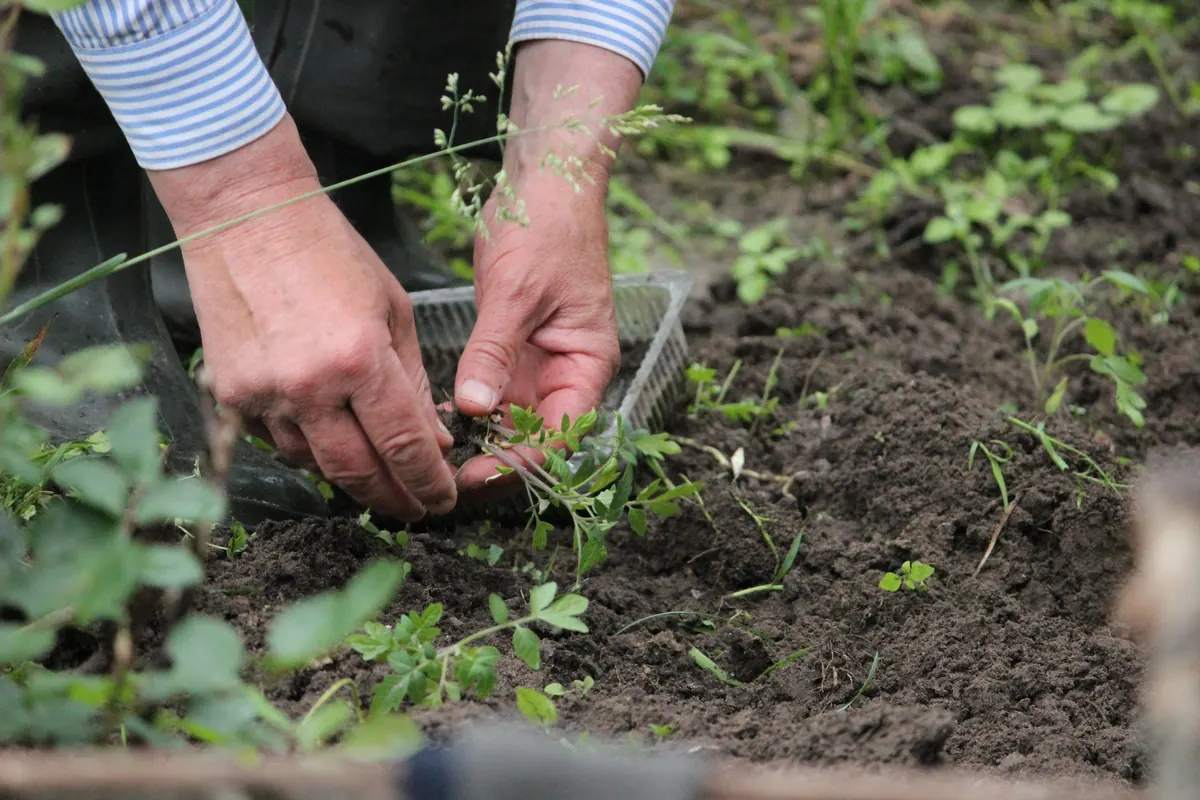
A plant can look immaculate on the garden centre bench and start sulking the moment it goes into the ground. Often the culprit is not watering, light or feed, but soil pH — the measure of how acid or alkaline your soil is. It governs which nutrients plants can actually take up, and it explains why rhododendrons romp away in one garden and turn yellow in the next. The encouraging part is that pH is quick to test at home and reasonably straightforward to work with once you know your number.
What soil pH really means
The scale runs from 0 to 14. Seven is neutral; below that is acid, above it is alkaline. Most UK garden soils sit somewhere between about 4.5 and 8.5. Sandy heathland soils can be genuinely acid, while the chalk and limestone belts that run across the south and east give soils that are noticeably limy.
The number matters because it controls nutrient availability rather than nutrient content. Around pH 6.5, most plant foods — nitrogen, phosphorus, potassium, plus trace elements such as iron and manganese — are at their most accessible. As soil turns more acid, phosphorus and molybdenum become harder to reach. As it turns more alkaline, iron, manganese and zinc lock up. That is why an acid-lover in limy soil goes yellow between the leaf veins: the iron is present, but the plant cannot get at it.
Soil life has preferences too. Earthworms and the bacteria that break down organic matter work best in the neutral to slightly alkaline range, which is one reason chalky soils often feel thin and hungry despite all that lime.
Testing your soil at home
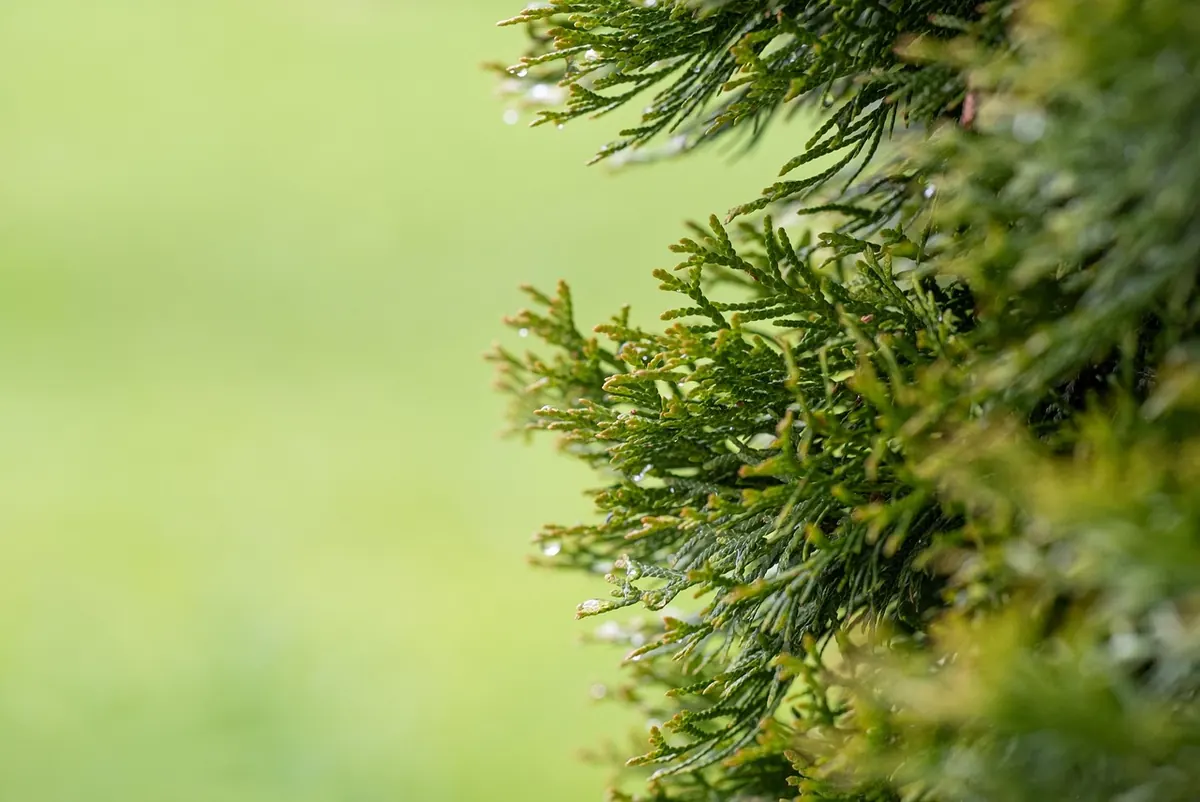
A single sample from one spot tells you very little, because pH varies across a garden — under a conifer hedge it will read lower than in the middle of the vegetable patch. Take samples from several beds, and test them separately.
- Lift the top inch of soil away with a trowel and take a sample from about 10–15cm down, where roots actually feed.
- Collect small amounts from five or six points in the bed and mix them in a clean bucket.
- Remove stones, roots and worms, then spread the soil to dry slightly — damp soil skews some tests.
- Use distilled or rainwater rather than tap water if your kit asks you to mix a solution. Hard tap water is alkaline and can push the reading up.
- Repeat every two or three years, and always after liming or adding large amounts of compost.
Colour-match kits are cheap, accurate enough for gardening, and give a result in minutes. Inexpensive digital meters are tempting but often drift, so check any reading against a kit before acting on it. For a more thorough picture, some horticultural societies and laboratories offer full soil analysis, which also reports nutrient levels.
The fizz test
Two kitchen cupboard tests give a rough answer. Put a spoonful of soil in a jar, add a little vinegar, and watch: if it fizzes, free lime is present and the soil is alkaline. If it does not, mix a fresh sample with bicarbonate of soda and water — a fizz there suggests acid soil. Neither test gives you a number, but they are useful when you simply want to know which direction you are heading.
Plants that love acid soil
If your reading comes in below pH 6, you are in luck for a certain kind of planting. These all prefer acid conditions and will struggle, sulk or yellow on chalk:
- Rhododendrons, azaleas and camellias
- Pieris, skimmia and kalmia
- Heathers, both Calluna and winter-flowering Erica
- Blueberries and cranberries
- Magnolia, enkianthus and Japanese maples
- Hydrangeas, which also turn blue rather than pink in acid soil
Plants that thrive in alkaline soil
A pH of 7.5 or above is not a limitation, it is a different palette. Chalky gardens suit:
- Cabbage, sprouts, kale and most brassicas, which dislike acid soil
- Clematis, lavender, buddleia and lilac
- Hellebores, hardy geraniums, sedums and oriental poppies
- Cistus, eryngium and wallflowers
- Beech, box and yew for hedging
Most vegetables and herbs are happiest in the slightly acid to neutral band around 6.5, which is worth remembering when you plan a raised bed.
Changing your soil's pH
Adjusting pH is slow work and, on chalk or heavy clay, you are really managing a trend rather than reversing it. Aim for small, steady shifts rather than dramatic ones.
Raising pH
Garden lime raises acidity-tolerant soil towards neutral. Apply it in autumn or winter so it has time to work before spring planting, and follow the product's stated rate rather than guessing. Do not lime at the same time as feeding, and avoid liming ground where you plan to grow potatoes, as it encourages scab. Blueberries, camellias and heathers should be kept well away.
Lowering pH
Elemental sulphur is the usual choice, worked into the soil and given several months to be converted by soil bacteria — it works faster in warm, moist conditions. Ericaceous compost, pine bark and leaf mould help in a gentler way, though they rarely move the needle much on chalk. Pine needles scattered on the surface do little to change pH; they simply make a decent mulch.
For acid-lovers in a limy garden, containers and raised beds filled with ericaceous compost are the realistic answer. Water them with rainwater where you can, since tap water in hard water areas gradually pushes the pH back up.
Working with the soil you have
Test first, then choose plants that suit the number in front of you rather than fighting it. Growing rhododendrons in chalk is an annual battle; growing lavender there is effortless. If you want the opposite palette, build a raised bed, fill it with the compost that suits, and keep it separate. Recheck your pH every few years, make one adjustment at a time, and let the plants tell you whether you got it right.
Photo: Natalia Sevruk / Pexels