Best Evergreen Shrubs for UK Privacy: Fast-Growing and Low-Maintenance Options
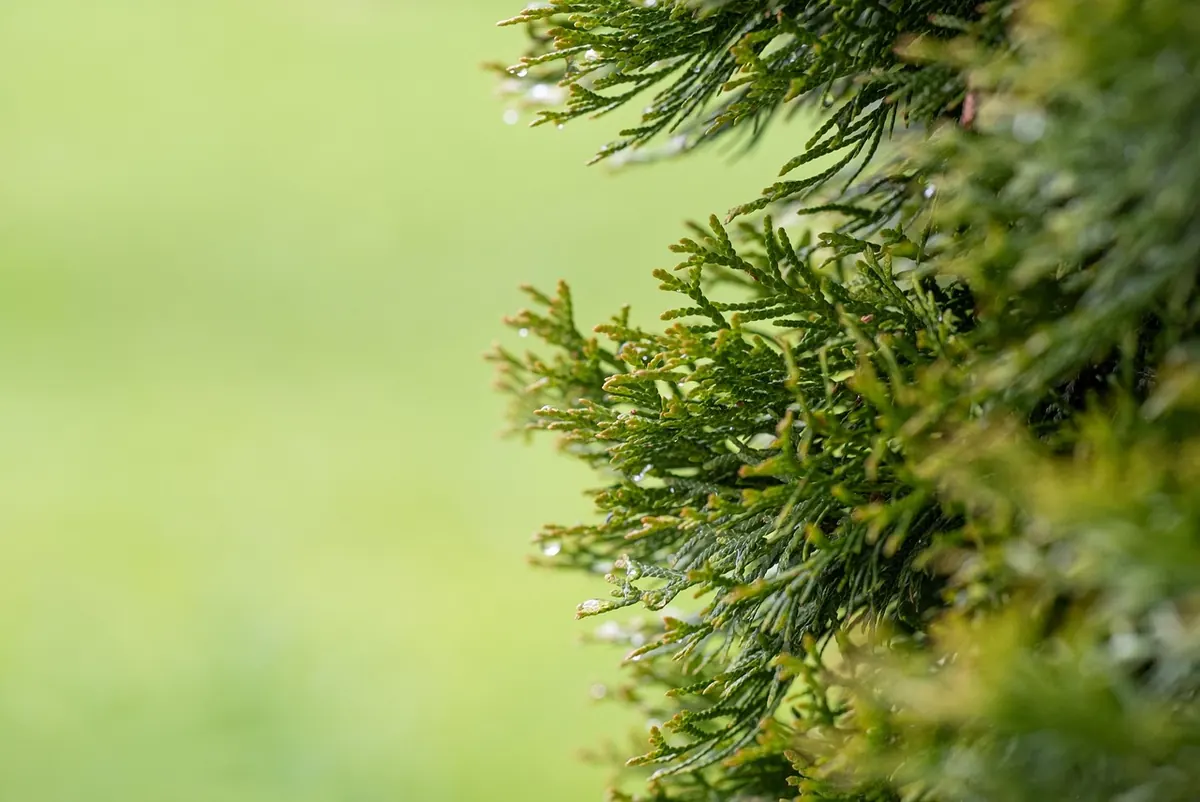
A good evergreen screen earns its keep. It blocks the view from next door, softens a prevailing wind, muffles traffic and gives birds somewhere to roost in February. What it should not do is eat your weekends.
Some evergreens add half a metre a year and shrug off clay, gales and neglect. Others sulk in wet soil, scorch on an exposed coast, or need clipping twice a season to stop them swallowing the lawn. Choose well and a screen will quietly look after itself for twenty years.
Here is how the main screening shrubs compare on growth, mature size, soil and aftercare, and how to plant them so the work stays low.
Decide the job before you dig
Start with height. A screen of 1.8–2m blocks the view from a garden chair; you need 2.5–3m to obscure an upstairs window. Width matters just as much, because a hedge that finishes a metre thick needs a metre of ground, plus a little more if you want to get behind it with shears.
Think about shade and roots, too. Evergreens cast dense shade all year and dry the soil around them, so leave at least a metre between the hedge and boundaries, drains and house foundations where space allows. Check for restrictions before you dig: leasehold covenants, conservation area rules, Tree Preservation Orders on anything you plan to remove, and the high hedges rules that can apply to evergreen boundaries over two metres if a neighbour complains. A quick call to your council's planning department is time well spent.
Growth rates, sizes and soil needs at a glance
Treat these figures as a rough guide. A plant in decent soil with water through its first two summers will always outgrow one on a dry, exposed bank.
- Cherry laurel (Prunus laurocerasus 'Rotundifolia'): 30–60cm a year; 4–6m unclipped; most soils including clay; sun or shade.
- Portuguese laurel (Prunus lusitanica): 20–40cm; 3–5m; any reasonable soil; tolerates shade.
- Yew (Taxus baccata): 15–30cm; 3m and upwards over decades; any soil except waterlogged; sun to deep shade.
- Holly (Ilex aquifolium): 10–25cm; 4–6m; most soils; shade-tolerant.
- Elaeagnus (Elaeagnus × ebbingei): 30–60cm; 3–4m; poor, dry, windy sites; very tough.
- Griselinia (Griselinia littoralis): around 30cm; 3–4m; well-drained soil; excellent on the coast.
- Viburnum tinus: 20–30cm; 2–3m; almost any soil; flowers through winter.
- Photinia 'Red Robin': 30–45cm; 2–3m; fertile, well-drained soil; needs shelter.
The best evergreen shrubs for UK screening
Cherry laurel: the fast option for a tall screen
If you need three metres of cover in five or six years and your soil is heavy clay, cherry laurel will not let you down. The big glossy leaves knit into an opaque wall and it grows happily in shade. Clip it once a year in late spring, or twice if you want a sharp finish. The catch is those leaves: cut edges brown and look tatty for weeks, so use sharp tools rather than a blunt trimmer and take the sides back a little at a time. All parts are toxic if eaten, so keep clippings away from livestock and grazing pets.
Portuguese laurel: neater, tighter, kinder to small gardens
Smaller leaves, darker green, red stems and a naturally dense habit make Portuguese laurel the better choice for a formal hedge of 1.5–2.5m. It clips beautifully, takes wind and shade better than its larger cousin and rarely needs more than one trim a year, in late spring or early summer. It is slower off the mark, so buy decent-sized plants if you want the screen to look finished quickly.
Yew: the long game that pays off
Yew is the finest hedge plant in Britain and the most patient. It grows at a crawl, but it will live for centuries, regrows from old wood better than almost any other conifer, and tolerates deep shade and any soil that drains. Trim once a year in late summer and it will hold a crisp line indefinitely. It is expensive to buy in quantity and, like cherry laurel, toxic if eaten. If you can wait, nothing else comes close.
Elaeagnus and griselinia: for exposed and coastal gardens
On a windy, salt-laden site most hedging sulks. Elaeagnus × ebbingei carries on regardless: silvery leaf undersides, small fragrant flowers in autumn and strong growth even in poor, dry ground. Griselinia is the classic seaside screen, bright apple-green and easy to clip, provided your soil drains and your winters are not severe. Both will take hard pruning if the hedge gets away from you.
Also worth considering
For a north-facing boundary, holly is hard to beat: slow but dense, prickly and generous with berries when male and female plants grow nearby. Wear thick gloves and long sleeves when you cut it. Viburnum tinus is the friendlier alternative, glossy and covered in small white flowers from late winter on almost any soil. Photinia 'Red Robin' adds a flush of red new growth but wants sun, shelter and well-drained ground, so use it as a highlight rather than a whole boundary.
One caution: Leyland and Lawson cypress are the fastest screens of all, but they brown off if you cut into old wood, need trimming twice a year and quickly outgrow a small garden. Fine for a large plot, rarely the right answer anywhere else.
Soil, site and spacing
Most of these shrubs are unfussy, but none enjoys sitting in water. On heavy clay, dig in plenty of compost and plant slightly proud of the surrounding level so the roots are not stuck in a sump. On sandy or chalky soil, mulch after planting and be prepared to water for two summers.
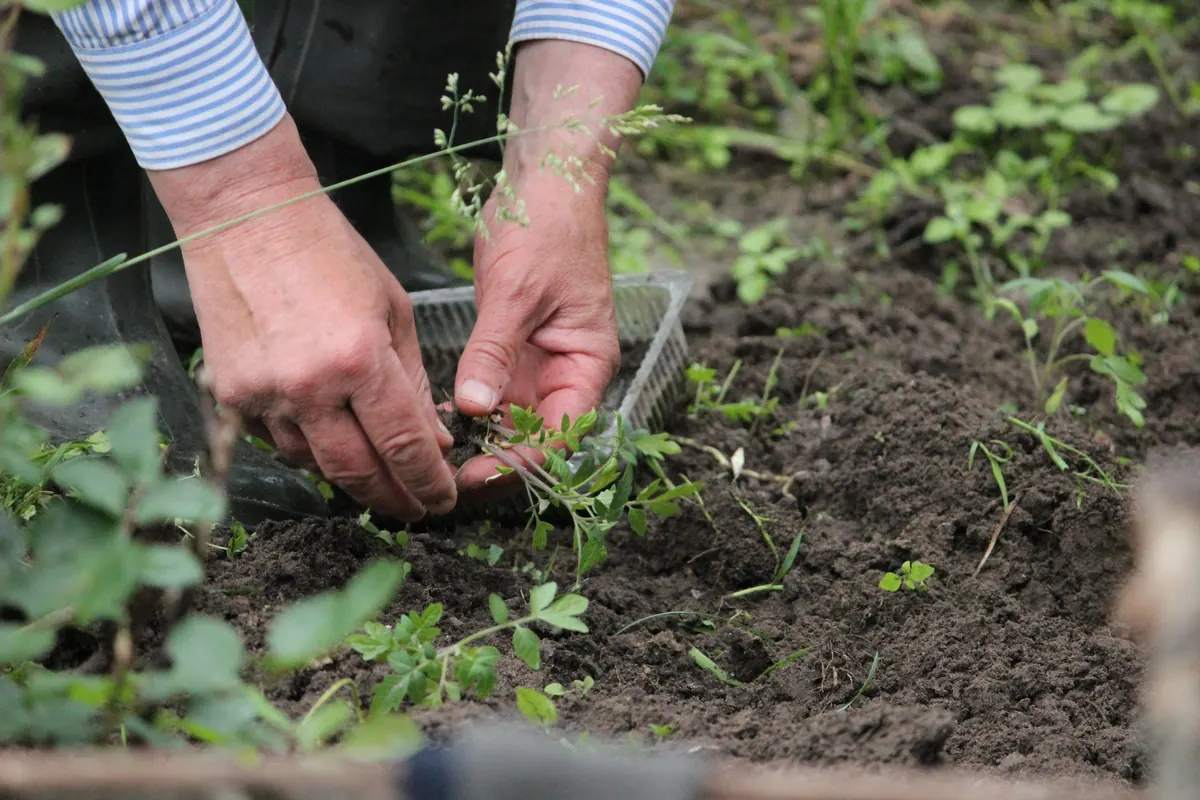
Spacing decides how long the screen takes to knit together. For a dense hedge, plant at 45–60cm centres; 90cm apart costs less but adds a year or two before the gaps close. Dig a trench rather than individual holes, fork the base to break up compaction, and plant at the same depth as the pot. Rootballed and bare-root evergreens establish best between October and March; container-grown plants can go in at any time of year if you water them.
Pruning without ruining the shape
Two rules do most of the work. Prune at the right time, and keep the sides tapered so the base stays wider than the top, letting light reach the bottom of the hedge.
A simple annual routine keeps a screen looking sharp:
- Trim in late spring or late summer, avoiding hard frosts and the nesting season.
- Cut the sides first, working from the bottom upwards, then level the top.
- Taper the sides by a few centimetres so the base is widest.
- Never cut conifers back into bare, leafless old wood; laurels, yew and elaeagnus will regrow, most others will not.
- Feed with a general-purpose fertiliser in spring and mulch with compost to conserve moisture.
Avoid the temptation to cut hard every year. Light, regular trimming keeps a hedge dense and is far less work than renovating a screen that has been left for a decade.
A planting plan that keeps the work down
For privacy that arrives quickly and stays manageable, mix your planting. Use yew or Portuguese laurel as the backbone at 60cm centres, since both will still look right in thirty years, and add faster growers such as cherry laurel or elaeagnus to bulk out the screen while the slower plants fill in.
Then accept one thing: the first two summers are the hard part. Water deeply once a week in dry spells, keep a metre-wide strip clear of grass and weeds, and the hedge will look after itself afterwards. One trim a year, a spring feed and a mulch is all most of these shrubs will ever ask of you.
Photo: Pezibear / Pixabay