Annuals vs Perennials: What's the Difference and Which Should You Plant?
Look closely at any border you admire and you will find two very different strategies growing side by side. Some plants are there for one season only: they germinate, flower, scatter seed and die within a year. Others vanish in autumn and come back from the same roots the following spring, usually a little bigger. Annuals and perennials do different jobs, cost different amounts and ask different things of you. Get the balance right and the garden will look good from March to November without you spending every weekend holding a hosepipe.
The real difference is lifespan, not looks
A perennial does not have to be large or woody, and an annual does not have to be small. The label describes how long the plant lives, nothing more. Most of the confusion comes from the fact that a few plants sit awkwardly between the two groups.
True annuals
Cosmos, calendula, cornflowers, sunflowers, love-in-a-mist and poppies all complete their whole life cycle in one growing season. Sow in spring and they will flower within months, set seed, then collapse at the first hard frost or sooner. Some, such as nigella and calendula, self-seed so generously that they behave like perennials in a relaxed border. Others, including most modern cosmos and zinnias, need resowing each year if you want them back.
Biennials
Wallflowers, foxgloves, honesty and sweet William spend their first year building leaves and roots, flower in their second, then die. They are easy to overlook when planning a border, but they fill the early summer gap beautifully and many will seed themselves into gravel and path edges if you let them.
Hardy herbaceous perennials
These die back to the ground in winter and return from the crown each spring. Hardy geraniums, echinacea, rudbeckia, peonies, lupins, hellebores, asters and crocosmia all work this way. They take a year or two to settle, then largely get on with it, needing only a cut back and an occasional lift and divide to stop them taking over.
Tender perennials grown as annuals
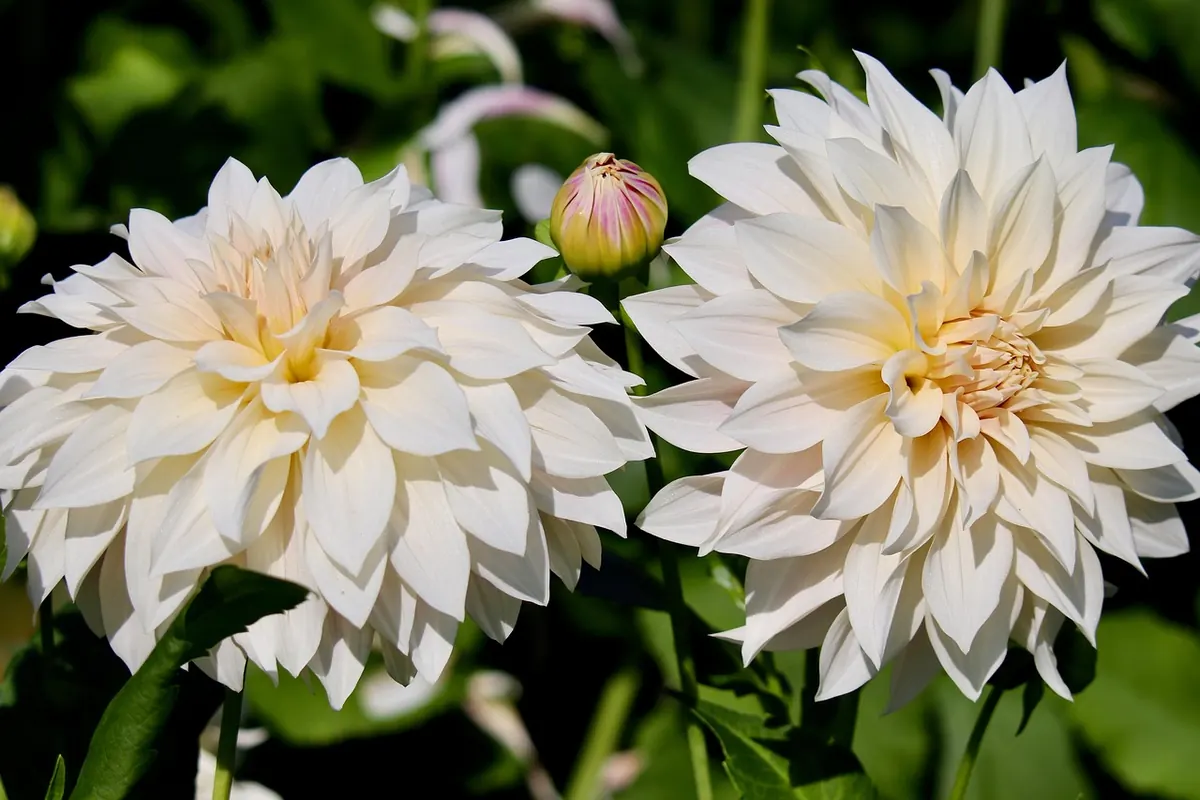
Dahlias, pelargoniums, zinnias, French marigolds and Verbena bonariensis are technically perennials, but frost kills them. In most of the UK we grow them as annuals. You can lift dahlia tubers after the first frost, dry them off and store them somewhere frost-free to replant in spring, which is well worth doing if you have the shelf space in a shed or garage.
Cost: cheap colour now versus an investment over years
Compare like with like. A packet of annual seed costs less than a single plant in a pot and can give you dozens, sometimes hundreds, of plants. You are buying colour by the square metre at the lowest rate going. The catch is that you start again every year, and raising plants from seed takes time, windowsill space and a certain tolerance for pricking out tiny seedlings.
Perennials cost more up front. But once established, most can be lifted and divided every few years, so one plant becomes three or five. Buy in early autumn or spring, when the soil is warm and moist and plants settle quickly. If money is tight, perennials are the better long-term purchase. If you want a border that looks full this summer, annuals are the faster route.
Maintenance: the honest comparison
Neither group is work-free. They simply need different work at different times of year.
- Annuals need watering through dry spells, feeding in containers, regular deadheading to keep flowers coming, and a full clear-out at the end of the season. Seedlings are also a favourite of slugs.
- Perennials need far less watering once their roots are down, but they want staking, cutting back, dividing when clumps become congested, and protecting from slugs on tender new spring growth.
- Annuals leave nothing behind in winter, so the ground where they grew looks bare until you replant.
- Perennials are reliable but often brief. A peony's display is glorious and finished in about three weeks.
Some perennials blur the line usefully. Salvia, penstemon and hardy geraniums such as 'Rozanne' flower for months, come back every year and need little more than a midsummer chop to keep going. If you want maximum value from minimum effort, seek these out.
What each does best in a UK border
Annuals earn their place by
Filling gaps between young shrubs while they bulk up. Hiding the yellowing foliage of spring bulbs, which needs about six weeks to die back naturally. Keeping a cutting garden productive. Letting you change a colour scheme without digging anything out. And filling pots, where perennials are often wasted because they need root room and winter drainage.
Perennials provide the bones
They give a border its shape in April and its structure in December, and they are what makes a garden look established rather than assembled. Mix their flowering times deliberately: hellebores and pulmonaria for late winter, peonies and lupins for early summer, echinacea and rudbeckia for late summer, asters and Japanese anemones for autumn.
If a border looks tired in August, it is usually short of annuals. If it looks empty in April, it is short of perennials.
How to decide: a quick checklist
- Are you staying put? Perennials reward patience and a long lease. If you rent or move often, annuals in pots travel with you.
- Do you want cut flowers? Grow both, but annuals such as sweet peas, cosmos and zinnias will give you the most stems from the smallest outlay.
- Are you often away in midsummer? Plant perennials and mulch well. Annuals in containers will suffer badly without regular watering.
- Do you want impact this year? Annuals. There is no faster way to fill a new border.
- Is your soil heavy clay that sits wet in winter? Perennials are the safer bet, though choose ones that tolerate the conditions. Many annuals rot in cold, wet ground.
- Do you want bees and butterflies? Both help, especially single-flowered varieties. Avoid double flowers, which often hold little nectar.
A simple plan for the coming season
In March and April, sow hardy annuals such as calendula, cornflower and nigella either under cover or straight into the ground where they are to flower. In May, once the risk of frost has passed in your area, plant out tender annuals like cosmos, zinnias and marigolds and keep a fleece handy for late cold snaps.
In autumn, plant perennials while the soil is still warm, spacing them according to their eventual spread rather than their current size. Water them in well and mulch, but keep the mulch clear of the stems.
Then do the thing that separates a good border from a lucky one: take a photograph in August and another in January. Note what flowered and when, what looked bare, and what you never actually liked. Every year, replace one thing and divide one clump. That slow editing is how borders end up looking effortless.
Photo: JACLOU-DL / Pixabay