Autumn Garden Checklist for UK Gardens: 15 Jobs to Do Before Winter
Autumn is the season when a little effort pays back twice over. The soil is still warm, the light is softer, and the garden is slowing down rather than stopping. Get the main jobs done between October and late November and you will spend far less time next spring repairing damage — and far more time enjoying what comes up.
What follows is a checklist of fifteen jobs, grouped so you can work through them sensibly rather than trying to do everything in one frantic weekend.
Clear the Leaves Before They Smother the Lawn
Falling leaves are the most obvious autumn job, and the one most often left too late. A thin scattering breaks down harmlessly. A thick, wet layer on grass does not: it blocks light and air, and by January you have yellow patches and possibly a patch of dead turf underneath.
Rake little and often rather than waiting for the last leaf to drop. Half an hour with a leaf rake every week is easier than clearing a soggy carpet in December. On gravel and borders, a cordless blower earns its keep, but set it low so you are moving leaves, not blasting soil off the beds.
Do not put the leaves in the bin. Fill a bin bag, punch a few holes in it, tie the top and leave it behind the shed for a year. Or build a simple wire ring and pile them in. Either way you end up with leaf mould, one of the best soil conditioners you can make for nothing.
One lawn job while you are out there: mow once more with the blades raised, then stop when the grass stops growing and the ground turns soft. Cutting wet turf in November does more harm than the tidiness is worth.
Cut Back, But Leave Something for the Wildlife
An autumn tidy-up does not mean stripping the borders bare. Seedheads of teasel, echinacea, sedum and honesty feed birds and hold structure through the frost, and hollow stems make winter shelter for insects and overwintering larvae.
Cut back anything that has collapsed, gone mildewed or flopped across paths. Leave the rest standing until late February or March, then cut it down and compost it. A rough guide:
- Cut: soggy annuals, spent tomato and courgette plants, mildewed herbaceous foliage, anything collapsing over a path.
- Leave: seedheads, ornamental grasses, sturdy perennials and anything with berries still to be eaten.
- Lift and divide: crowded clumps of hardy geranium, iris, daylily and aster. Autumn division gives roots time to settle before the cold.
Plant Bulbs Now, in Layers
Spring bulbs are the single best return on an afternoon's work. Plant daffodils, crocus, snowdrops and alliums from September onwards; leave tulips until November, which reduces the risk of them rotting or coming up too early.
As a rule, plant each bulb at about three times its own depth. Small bulbs such as crocus and snowdrops sit shallower, around 8–10cm down. If the soil is heavy clay, fork in some grit or compost first — bulbs hate sitting in a cold, wet sump.
Pots are perfect for layering. Put a deep layer of tulips at the bottom, a middle layer of daffodils, and a top layer of crocus or grape hyacinth, then cover with compost and top with gravel to keep squirrels and cats off. Keep the pot somewhere cool but sheltered, and water it only when the compost dries.
Mulch While the Soil Is Still Warm
Mulching in autumn does two jobs at once: it insulates roots against freezing and thawing, and it feeds the soil life that will be working all winter.
Spread a 5–8cm layer of well-rotted manure, garden compost or leaf mould over beds, but keep it clear of stems and trunks — a mulch collar pressed against bark invites rot. If the ground is dry and dusty, water first, because mulch on dry soil simply locks the dryness in. On heavy clay, a generous organic mulch also improves structure as worms pull it down.
Acid lovers such as rhododendrons, camellias and blueberries prefer a mulch of bracken, pine needles or composted bark. And if you have bare-root roses, hedging or fruit trees on order, autumn through to early spring is the ideal planting window, while the plants are dormant and the soil is workable.
Protect Tender Plants Before the First Hard Frost
Frost damage is easier to prevent than to repair, and a couple of hours of preparation saves plants you have spent years growing.
In the greenhouse and on the patio
Move pelargoniums, aeoniums, citrus and other tender pot plants under cover before nights turn sharply cold. Clean the glass first so they get maximum light, and ventilate on mild days — damp, still air in a closed greenhouse encourages mould more than cold does.
Bring terracotta pots of hardy plants close to the house wall and raise them onto pot feet or bricks, so water drains instead of freezing in the base and cracking the pot. Wrap the pots themselves, not the foliage, in bubble wrap or hessian. Keep watering to a minimum: a dry plant copes with cold far better than a soaking one.
In the open garden
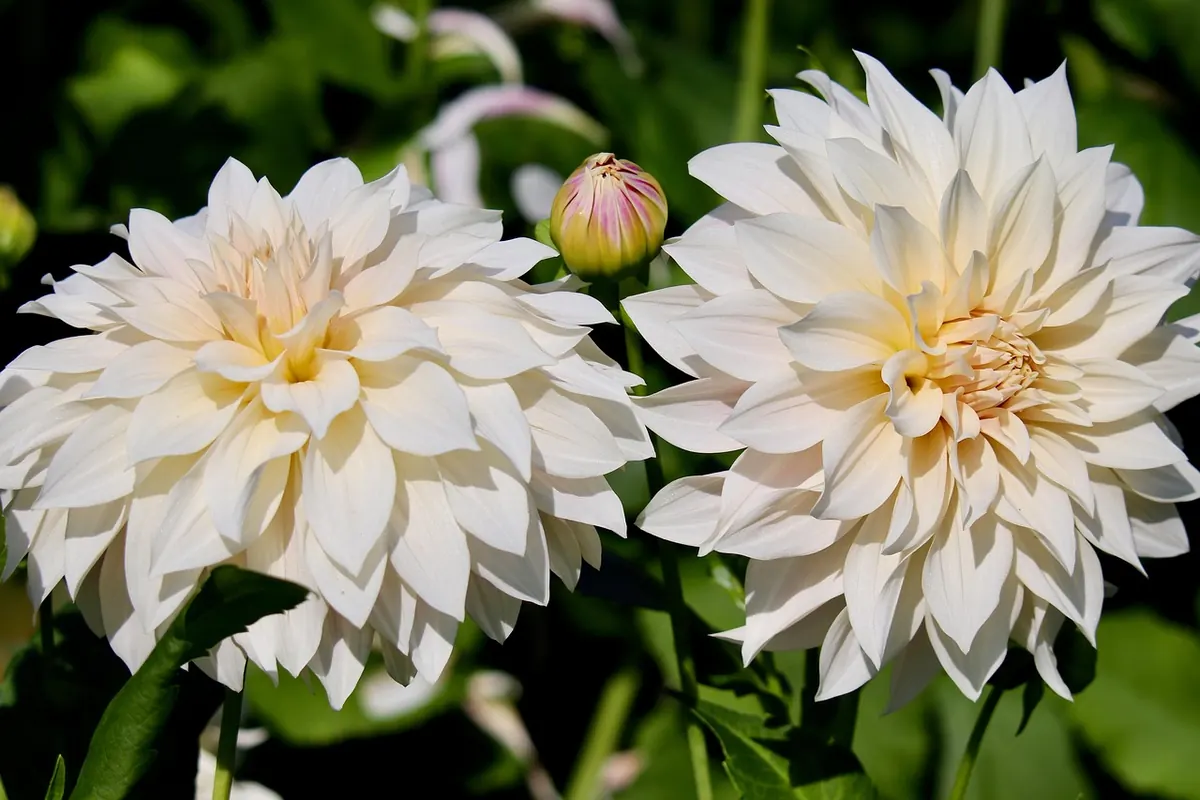
Dahlias, cannas and other tender tubers usually fare best lifted. Wait until the first frost blackens the foliage, cut the stems back to about 10cm, lift the tubers, let them dry somewhere airy, then store them in barely-damp compost in a frost-free shed or garage.
Tree ferns appreciate a fistful of straw packed into the crown and a fleece jacket around the trunk. For borderline hardy shrubs, horticultural fleece draped over a frame of canes works well; remove it during milder spells rather than leaving it on for weeks.
Clean and Sharpen Your Tools
Tools put away dirty are tools that rust, blunt and fail you in spring. An hour now keeps them working for years.
- Scrape soil and sap off blades with a wire brush, then wipe with an oiled rag.
- Sharpen secateurs and shears with a diamond file or sharpening stone — clean cuts heal faster on plants.
- Sand wooden handles lightly and rub in a little linseed oil to stop them splitting.
- Drain hosepipes, coil them somewhere frost-free, and service the mower before storing it.
- Wash terracotta pots, seed trays and cloches in hot soapy water and stack them dry.
Getting It Done: A Realistic Order of Work
You do not need to do all fifteen jobs in one go. Work through them in this order and the garden will carry itself into winter:
- Leaves and the last lawn cut.
- Cutting back and dividing perennials.
- Bulb planting, in beds and pots.
- Mulching and bare-root planting.
- Frost protection and moving tender plants.
- Cleaning, sharpening and storing tools.
If you only manage two of these, choose mulching and frost protection. Both buy you time, both save plants, and neither takes more than an afternoon. Everything else can wait for a dry, bright day in November — and there is always one of those.
Photo: Sami Aksu / Pexels