How to Prune Roses in the UK: A Step-by-Step Guide for Healthier Blooms

Roses have a reputation for being difficult, and most of it comes down to one job: the annual prune. Left alone, a rose will still flower, but it will do it at the top of a leggy, congested bush, with more blackspot and fewer blooms each year. Pruned properly, the same plant produces sturdier stems, better air flow and flowers worth cutting for the house.
It isn't a complicated skill. It's a handful of clean cuts, in the right place, at the right time of year. What follows covers the main rose types in a British garden, the tools worth owning, and how to look after the plant once the secateurs are back in the shed.
When to prune roses in the UK
For most bush roses — hybrid teas, floribundas, patio and shrub types — the window is late winter to early spring. In mild parts of the country that means late February; in colder gardens, northern England and Scotland, it's safer to wait until late March or early April. The signal to watch for is buds beginning to swell on the stems. Prune too early, into a hard frost, and you risk damaging the fresh cuts and killing back new growth.
One rule covers almost every rose: those that flower on wood grown in the current season are pruned in late winter, while those that flower on last year's wood are pruned straight after flowering. So before you pick up the secateurs, work out which group your rose belongs to.
Timing by rose type
Hybrid teas, floribundas and patio roses
These flower on new growth made in the same season, so a hard late-winter prune is exactly what they want. Cut back to roughly 15–30cm for hybrid teas and 30–45cm for floribundas, leaving a balanced framework of strong stems. Don't be timid: a hard prune gives fewer but larger flowers, a light one gives quantity. Patio and miniature roses get the same treatment, scaled down.
Shrub roses, including English roses
Shrub roses are the big, informal group that includes most repeat-flowering English roses. They respond best to a lighter prune in late winter — take out about a third of the oldest stems at the base, shorten the rest by a quarter to a half, and let the plant keep its natural shape. Cutting them as hard as a hybrid tea will cost you flowers for a season.
Climbers and ramblers
Repeat-flowering climbers are pruned in late winter along with the bush roses. Train the main stems horizontally and cut the side shoots back to two or three buds; this is what pushes flowers along the whole length of the stem instead of just at the top.
Ramblers are different. They flower on last year's wood, so prune them in late summer or early autumn, straight after they finish. Cut out some of the oldest stems at the base, tie in the new ones and shorten the side shoots. Prune a rambler in spring and you're cutting off the coming year's flowers. Once-flowering climbers follow the same rule.
Old garden and species roses
Gallicas, damasks, albas and most species roses flower once, on old wood. Give them a light tidy after flowering — remove dead or crossing stems and anything that has grown badly out of shape — then leave them be. Species roses such as Rosa moyesii and Rosa rugosa need very little; if one outgrows its space, cut a few older stems to the ground after flowering and leave the hips for the birds.
Tools worth having
- Bypass secateurs — the scissor type, not anvil. They cut cleanly through live wood rather than crushing it, and a sharp pair is safer than a blunt one because you use less force.
- Loppers for stems your secateurs can't manage, and a pruning saw for thick old wood.
- Gauntlet gloves, ideally leather. Thorns go straight through thin fabric and rubberised palms.
- A sharpening stone and a cloth to wipe blades between plants, particularly after working on anything with blackspot or rust.
- Twine or soft ties for climbers, plus a trug for the prunings.
If you're working at height on a tall climber, use proper steps on firm ground and keep both feet planted. Anything beyond safe reach is a job for a qualified gardener or tree surgeon.
How to make the cut
A good rose cut has three features: it's clean, it slopes, and it sits close to a bud.
Find a bud — a small red or green swelling on the stem — pointing in the direction you want new growth to go, usually outward from the centre of the plant. Make a 45-degree cut about 5mm above it, sloping down and away from the bud so rain runs off rather than sitting in the wound. Cut too close and the bud dries out; leave a long stub and it dies back. Aim for healthy wood: the pith should be white or pale green, not brown or hollow. Where a whole stem has to go, cut it back to its point of origin rather than leaving a stub in the middle of the bush.
Two things worth knowing. Suckers — vigorous shoots growing from below the graft union, often with different leaves to the rest of the plant — should be pulled or twisted off at the base rather than cut, because cutting encourages more of them. And when deadheading in summer, cut back to a leaf with five leaflets or a strong outward-facing bud, and the plant will usually push out another flower.
Step-by-step: pruning a bush rose
- Clear the ground around the base and pick up fallen leaves and stems, which carry disease back to the soil.
- Start with the three Ds: dead, damaged and diseased wood. Cut it out first, back to healthy wood.
- Remove rubbing and crossing stems, plus anything thin, spindly or weak. You're aiming for an open, goblet-like shape with a clear centre.
- Choose four to six of the strongest young stems and build the framework around them.
- Shorten those stems to suit the type: roughly 15–30cm for hybrid teas, 30–45cm for floribundas, taller for shrubs.
- Make each cut just above an outward-facing bud, sloping away from it.
- Step back and look. Adjust anything that crosses or crowds, then clear the prunings. Don't compost material showing signs of disease.
Aftercare in the weeks that follow
Pruning is a shock, and a rose responds by growing hard, so give it something to grow with. A balanced rose feed in spring, plus a mulch of well-rotted manure or garden compost around — but not touching — the base, sets it up for the season. Water well in dry spells during the plant's first couple of years, and watch for aphids and the first signs of blackspot or rust. Picking off affected leaves early is far easier than treating an outbreak later.
A few last tips
Sharpen your secateurs before you start and clean them afterwards. Wear gloves, and take notice of any deep thorn wound rather than ignoring it. Prune on a dry, mild day when no hard frost is forecast for the next few nights.
Then leave the plant alone. Roses are far more forgiving than their reputation suggests, and one pruned confidently in late winter will reward you by midsummer with more flowers, healthier foliage and a shape you can actually see through.
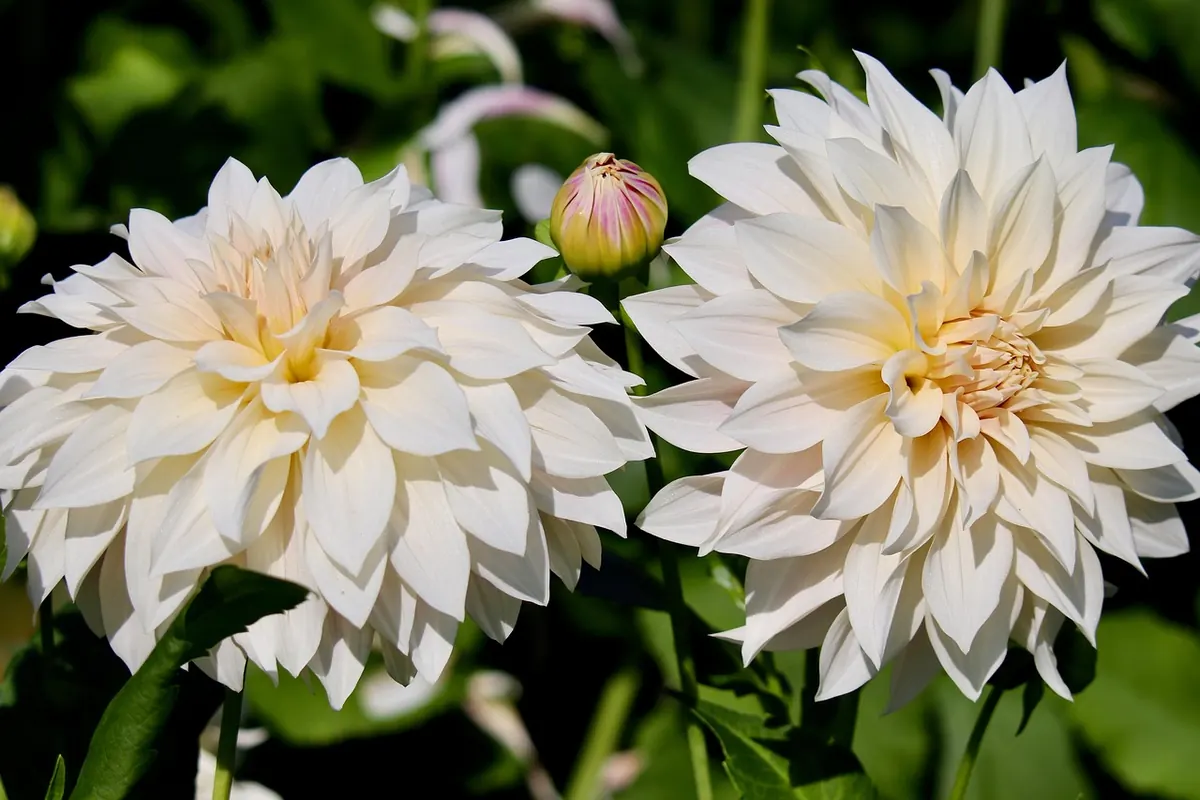
Photo: Agnali / Pixabay