How to Start a UK Vegetable Patch from Scratch: A Month-by-Month Beginner's Guide
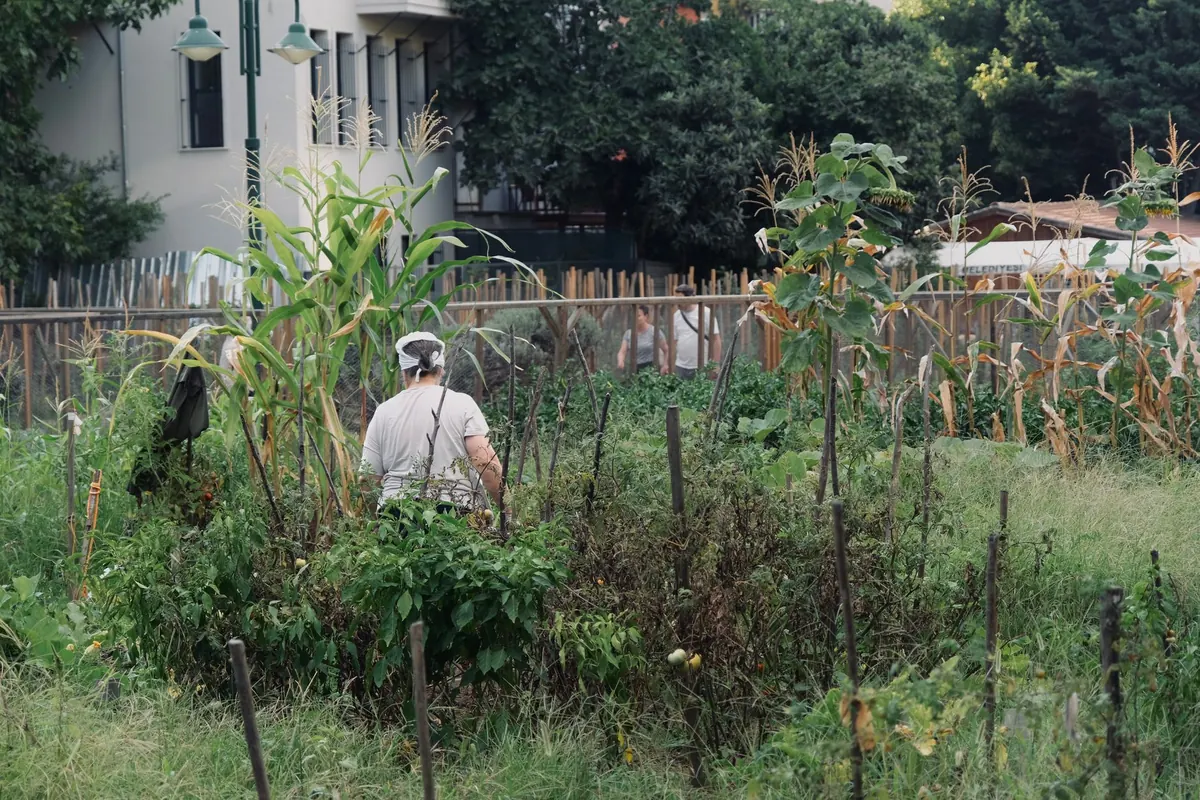
A vegetable patch does not need an allotment-sized plot or a perfect plan. It needs decent light, soil that holds onto moisture, and a handful of crops that forgive a beginner's mistakes. Most disappointing first seasons come down to three things: sowing too early, planting too close together, and choosing crops that want more sun and fuss than a British summer reliably offers. Sort those out and you will be cutting your own lettuce, beans and courgettes by midsummer.
Pick a spot that earns its sunshine
Vegetables are sun-driven. Aim for six hours of direct light in summer, though salad leaves, chard, parsley and mint will manage on four. Spend a day watching your garden before you commit: note where the sun lands at 10am, 2pm and 6pm, and where the soil stays damp longest.
Put the patch somewhere you walk past daily, close to a tap or water butt, and away from overhanging trees that steal both light and moisture. A south-facing wall is a bonus — it holds warmth and suits tomatoes, peppers and courgettes. If space is tight, a few large containers or a couple of raised beds on a patio will grow more than you expect.
Start small. A bed around 3m by 1.2m is plenty for a first year, and it is far better to keep that tidy than to lose heart halfway through a plot the size of a tennis court.
Prepare the soil without digging yourself silly
Most UK gardens sit on either heavy clay or light, stony ground that drains too fast. Both grow good vegetables once organic matter goes in. In autumn or winter, spread 5–8cm of well-rotted manure or garden compost over the surface and let worms pull it down. No digging required.
Starting in spring instead? You can still build a bed from scratch in an afternoon:
- Mark out the bed about 1.2m wide so you can reach the middle from either side.
- Lift perennial weeds such as couch grass, bindweed and ground elder by hand — any root left behind will grow back.
- Cover the ground with overlapping sheets of plain cardboard, watered well.
- Top with 8–10cm of compost or well-rotted manure.
- Sow or plant straight into that layer. Roots will reach the soil below within a few weeks.
If your ground has a history of industrial use, or you are unsure what was there before, take advice before growing edibles — a raised bed filled with fresh topsoil is the safer route. Never grow food in soil that may be contaminated without checking first.
Ten easy crops for a first UK patch
- Salad leaves: sow a short row every three weeks for a continuous cut-and-come-again supply.
- Radishes: ready in three to four weeks, perfect for impatient beginners and for filling gaps.
- Courgettes: two plants feed a household generously. Rich soil, plenty of water, pick while small.
- Runner and French beans: reliable, productive, and the more you pick, the more they produce.
- Beetroot: sow in clusters and eat the thinnings as salad. Stores well.
- Chard: crops for months, stands through light frost and rarely sulks.
- Kale: winter greens that keep going when little else does. Net it against pigeons.
- Potatoes: forgiving and satisfying; grow them in bags if you have no spare ground.
- Spring onions: quick, compact and useful in almost every meal.
- Peas and mangetout: sow direct, provide something to climb, and pick young.
Leave cauliflower, celery, aubergines and sweetcorn until year two. They are not difficult, but they demand more space, water and patience than a first patch usually offers.
Your first year, month by month
February to April: sowing and setting up
February is for planning, ordering seed and chitting seed potatoes in a cool, light room. Sow tomatoes and chillies indoors at the end of the month if you have a warm windowsill or propagator.
In March, sow broad beans, parsnips and early carrots outdoors, with fleece over the carrots. Plant onion sets and shallots. Sow radish and spinach. April is the busiest sowing month: beetroot, chard, carrots, lettuce, peas and spring onions all go in direct, and first early potatoes go into the ground. Keep fleece or cloches nearby — frosts still catch people out.
May to July: planting out and keeping on top
Wait until the risk of frost has passed before planting out tender crops. In most of southern England that is mid-May; in northern England and Scotland it can be early June, so check your local forecast rather than the calendar. Then plant courgettes, beans, squash and sweetcorn.
June is about thinning seedlings, watering new plants, and checking for slugs in the evening with a torch. Net brassicas against pigeons and cabbage white butterflies. In July, harvest daily, keep sowing salad and beetroot for autumn, and feed tomatoes and courgettes weekly once they start flowering.
August to November: harvests and next year's soil
Clear spent crops in August and sow winter salad, spring cabbage and kale in their place. Plant out leeks. By September, sow overwintering broad beans and green manure on any bare ground. October is garlic month, plus mulching and a final tidy. In November, spread manure on empty beds and leave it for the worms. Leeks, kale and parsnips — sweeter after a frost — carry you into winter.
Simple maintenance that makes the difference
Water deeply two or three times a week in dry spells rather than a light sprinkle daily; soaking encourages roots downwards. Hoe weeds while they are tiny, before they set seed. A mulch of compost around established plants keeps moisture in and weeds down.
Most crops need no feeding if the soil was prepared well. Tomatoes, courgettes and squash appreciate a weekly tomato feed once flowering. Rotate what you grow where: don't follow beans with beans or brassicas with brassicas, and you will avoid a build-up of pests and disease in the soil.
Keep it small and the habits steady
Twenty minutes, three times a week, is enough to keep a first patch in good order. Visit with a bucket rather than a plan — pull a few weeds, pick what is ready, water anything drooping, and check the undersides of leaves for eggs and aphids.
Expect losses. Slugs will take seedlings, some sowings will fail, and one crop will bolt in a heatwave. That is normal, and it is how you learn what your particular patch likes. Write a few notes at the end of the season: what grew well, what you had too much of, what you would sow earlier next year. Your second year will be easier, and by the third you will be giving beans away.
Photo: Nemika F / Pexels