Raised Beds vs In-Ground Planting: Which Is Better for UK Gardens?
Few decisions shape a growing season as much as where plants actually put down roots. A raised bed on heavy clay can mean the difference between thriving courgettes and a sulking, yellowed mess. On deep, free-draining loam, an in-ground bed gives roots room that no timber frame can match, at almost no cost. Neither method is universally better. What matters is matching the approach to your soil, your space and your own back.
Drainage: Where the Two Approaches Part Company
Raised beds drain faster. If your plot sits on clay, the water table is high, or the bed occupies the low corner where puddles linger after rain, lifting the growing area 20–30cm above the surrounding ground lets excess water move sideways and down. The soil also warms earlier in spring, which matters in northern Britain, where a fortnight's head start on sowing often decides whether you get a decent crop of beans.
In-ground beds drain according to what lies beneath them. On sandy or gravelly soil that is rarely a problem; if anything, you will spend more time watering. On clay, an in-ground bed can stay cold and wet well into April. The answer is not always a raised bed. Forking in organic matter, aerating compacted patches and planting on slight ridges along the row can all help.
Bear in mind that raised beds dry out faster in summer too. In a hot July you will water more often, particularly in shallow beds or those filled with a light, gritty mix.
Soil Quality and Control
With a raised bed you fill it yourself, so you know exactly what is in it. That is valuable if your garden soil is stony, thin over chalk, or contaminated by old lead paint, fuel spills or previous industrial use. A blend of topsoil, well-rotted manure or garden compost and a little grit gives you a rooting zone you can manage. You can also tailor each bed: ericaceous compost for blueberries, a lighter, stone-free mix for carrots, richer material for hungry brassicas.
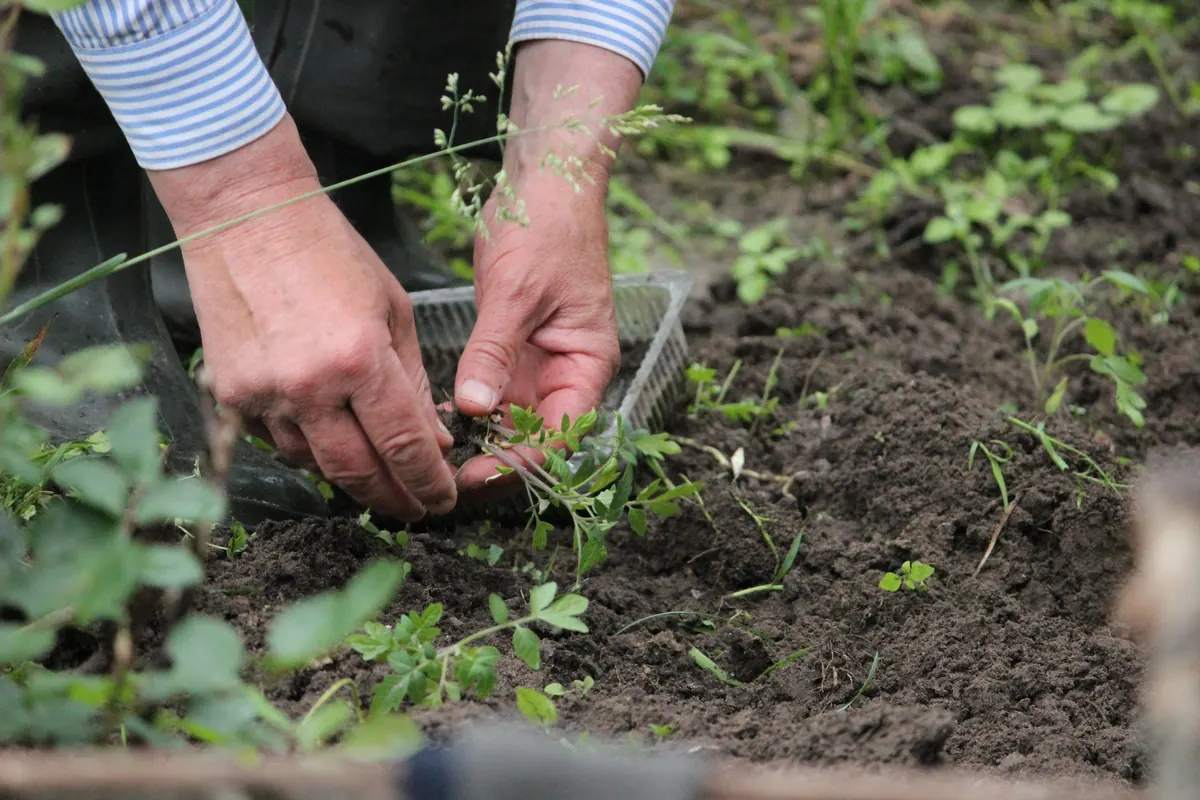
In-ground growing means working with what you have. It takes patience, but the rewards compound. A few years of mulching, home-made compost, green manures and keeping off wet soil will transform most plots. You also get depth and volume for free. Parsnips, maincrop potatoes and long-rooted carrots will never be limited by the bottom of a frame, and there is a far larger reserve of moisture and nutrients to draw on during dry spells.
Weeds, Pests and Ongoing Maintenance
A raised bed gives you a clear boundary. You can hoe the path, mow right up to the edge, and stop lawn grasses creeping in from the side. You will still get annual weeds germinating in good soil, and seeds blowing in, but the bed is easier to keep tidy and you can mulch deeply without ruining a lawn edge.
In-ground beds share a weed population with the rest of the garden. Couch grass, bindweed and ground elder travel along roots and rhizomes, so a bed sitting in the middle of an infested lawn is a losing battle until you deal with the wider area. On the other hand, open soil tends to support more of the worms, beetles and fungi that keep a system ticking over, especially if you avoid constant digging.
Slugs and snails will find both. Timber edges give them somewhere to shelter, so check the inner rim after rain and keep the surrounding area tidy.
Access and Comfort
This is where raised beds often win outright. Working at 60–75cm means no bending to ground level, which helps enormously if you have a stiff back, arthritis or simply want to keep gardening into your seventies and beyond. Beds at 45–60cm suit sitting on a stool, and any bed should be narrow enough to reach the middle from both sides.
- 20–30cm high: improves drainage and lets you control the soil, but you will still be bending.
- 45cm high: comfortable from a stool or kneeler, and easy to net against pigeons.
- 60–75cm high: standing height, ideal for raised beds on a patio or for anyone with limited mobility.
- Width: keep it to around 1.2m so you can reach the centre without stepping on the soil.
In-ground beds are perfectly workable if you are fit and your soil is good, but they demand more kneeling, more bending and more physical digging over the years.
Cost and Longevity
The boards are rarely the expensive part. Filling a bed is. A bed roughly 2.4m by 1.2m and 30cm deep swallows the best part of a cubic metre of material, and buying that in bags adds up fast. Save money by filling the lower third with inverted turves, half-rotted compost, shredded prunings or old potting mix, then topping off with your best soil. Avoid rubble or hardcore in the base: it creates a perched water table and steals rooting depth.
Timber choice matters for lifespan. Untreated softwood rots surprisingly quickly in damp British conditions, pressure-treated timber lasts considerably longer, and oak, larch, recycled plastic or galvanised steel longer still. In-ground beds cost little beyond compost, mulch and your own time, which is why they suit larger plots and tighter budgets.
Choosing Between Them
- Dig a spadeful and look at it. Sticky, grey, glistening clay, or water sitting in the hole overnight? Consider raising the bed.
- Check your space. A courtyard, balcony or paved yard with no soil at all leaves one obvious option.
- Think about your body. If bending is painful, height beats almost every other consideration.
- Be honest about budget and maintenance. Rotted boards need replacing; open soil mostly needs feeding.
- Mix the two. Many gardeners raise only the wettest or worst beds and grow everything else in the ground.
Start With What Your Garden Gives You
If your soil is reasonable, the cheapest and lowest-maintenance route is usually to improve it in place: mulch it, feed it, stop walking on it when wet, and grow in it. If it is waterlogged, shallow, contaminated or simply impossible to reach comfortably, build one raised bed first and see how you get on with it before committing to a whole plot's worth.
Whichever you choose, put the same care into both: good compost, sensible crop rotation, and a mulch of well-rotted organic matter each spring. That does more for your harvest than any debate about timber.
Photo: Nennieinszweidrei / Pixabay