What to Plant in a North-Facing UK Garden: Shade-Loving Plants That Thrive
A north-facing garden has a reputation problem. “Shade” gets used as though it means “nothing grows here”, which simply isn’t true — it means the plants that do well are different ones. North borders hold moisture for longer, stay cooler in summer and rarely scorch, which suits a whole group of plants that sulk in full sun: ferns, hellebores, epimediums and most of the woodland perennials you would happily pay for at a nursery.
Get the choice right and a north-facing border can look better than a sun-baked one, because the foliage stays fresh into late summer. Get it wrong and you will spend three years watching leggy lavender fail to flower.
Start by Working Out What Sort of Shade You Have
Before you buy anything, dig a spadeful of soil about 20cm down and squeeze it. Then look at what is overhead. That tells you more about which plants will settle in than the compass direction alone.
Dry shade
Common under mature trees, thick hedges and the eaves of a house, where rain never reaches the soil. The ground is dusty a week after rain, and tree roots are stealing the moisture. Plant small, plant young, and water diligently for the first two summers.
Damp shade
Heavy clay, a low corner where water gathers, or the strip beside a north-facing downpipe. Cold and sticky in winter, but a gift for astilbes, ligularias and moisture-loving ferns. Improve drainage with grit and compost before planting, then let the soil do the rest.
Shrubs That Give a North Border Its Bones
Evergreen structure matters more in shade than anywhere else, because there is less flower colour to carry the border through winter. These all cope with limited sun:
- Skimmia japonica — neat, rounded and happy in shade. Grow a male and a female plant together if you want the red berries in autumn.
- Sarcococca confusa — winter box. Insignificant flowers, extraordinary scent in January, and it tolerates dry shade under trees.
- Aucuba japonica — spotted laurel. Old-fashioned, unfairly dismissed, and almost indestructible in deep shade.
- Fatsia japonica — glossy, palm-like leaves that look tropical in a border that never sees direct sun.
- Viburnum tinus — clusters of white flowers from late winter, and dense enough to screen a neighbour’s wall.
- Euonymus fortunei — variegated evergreens such as ‘Emerald Gaiety’ that keep their colour where little else does.
- Taxus baccata (yew) — for a clipped shape or a low hedge. Slow, dark and tolerant of shade and root competition.
If your soil is acid, add camellias and pieris against a sheltered north wall. The flowers last longer out of direct sun, and buds are less likely to be caught by frost.
Perennials That Flower Without Full Sun
This is where a north border earns its keep. Plant in generous drifts rather than ones and twos, so the colour reads from the kitchen window:
- Hellebores — Helleborus hybrids and H. niger flower from midwinter, just when you need them.
- Pulmonaria — spotted foliage and pink-to-blue flowers in early spring; bees love it.
- Brunnera macrophylla — forget-me-not flowers over silvered leaves that light up a dark corner.
- Epimedium — delicate spring flowers on a plant that shrugs off dry shade beneath trees.
- Geranium macrorrhizum — weed-suppressing ground cover with magenta or white flowers in early summer.
- Astilbe and Ligularia — for damp shade only; both wilt dramatically if they dry out.
- Anemone nemorosa and A. hupehensis — wood anemones in spring, Japanese anemones for late colour.
Add snowdrops, Cyclamen hederifolium and daffodils along the front edge. Bulbs are the cheapest way to make a shady border look intentional in February and March, before the perennials have got going.
Let Foliage Do the Heavy Lifting
Flowers in shade tend to be pale and fleeting, so texture and leaf shape carry the design. Ferns are the obvious answer and there is one for almost every condition. Dryopteris erythrosora unfurls copper-pink in spring, Polystichum setiferum is evergreen and tidy, Asplenium scolopendrium (hart’s tongue) suits a damp wall base, and Matteuccia struthiopteris spreads happily in wet ground.
For grasses, try Hakonechloa macra ‘Aureola’, which spills over a path edge, or Luzula nivea and Milium effusum ‘Aureum’ for dry shade. Hostas are excellent in damp shade if you are prepared to deal with slugs; heucheras, tiarellas and epimediums give similar leaf interest with far less bother. A repeated green-and-cream palette of ferns, hostas and variegated euonymus will look calmer and more considered than a random collection of bright spots.
Climbers for North-Facing Walls and Fences
Walls facing north are usually dry at the base, which is what kills most climbers rather than the lack of sun. Plant about 45cm out from the wall and lean the stems in, then mulch. Hydrangea petiolaris will clothe a north wall and produces white lace-cap flowers in midsummer. Ivy is unbeatable for quick cover, and Lonicera periclymenum (honeysuckle) will grow and flower, though more sparsely than in sun. Schizophragma hydrangeoides is a gentler alternative to climbing hydrangea for a smaller space.
Planting and Aftercare: What Actually Makes the Difference
- Improve the soil first. Fork in two or three buckets of garden compost per square metre. Shade plants are not fussy about feeding, but they do need soil that holds moisture and drains.
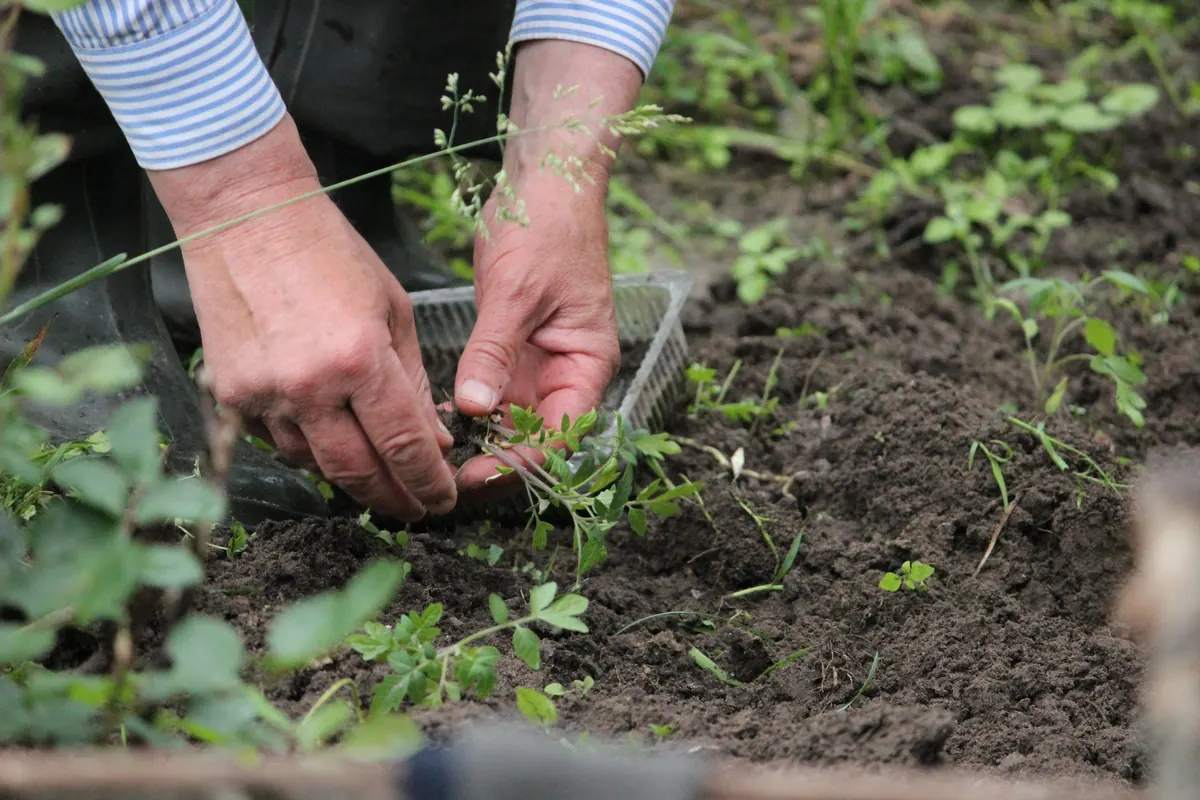
- Plant in autumn or early spring, when the soil is warm and damp and roots can get established before summer.
- Water for two full growing seasons. Shade is not the same as wet, and new plants under trees will need help.
- Mulch in spring with a 5–7cm layer of bark or leafmould, keeping it clear of stems and crowns.
- Go easy on fertiliser. Too much nitrogen in low light produces soft, floppy growth and few flowers.
- Leave fallen leaves in the border where you can. They feed the soil and suit the woodland plants you have chosen.
A Planting Plan You Could Copy This Weekend
For a border roughly three metres long and a metre deep, try this. At the back: a Viburnum tinus at one end and a Fatsia japonica at the other, with a group of three Dryopteris erythrosora between them. In the middle: five hellebores in a loose drift, plus a patch of Epimedium for spring. At the front: snowdrops and Cyclamen hederifolium, with Hakonechloa spilling over the edge. Then mulch, water, and leave it alone.
Keep a note of what flowers and when during the first year. A north border is a long game, and by the second spring you will have a clearer idea of which plants are genuinely thriving and which are merely surviving — and that is the only test that matters.
Photo: anselmo7511 / Pixabay